


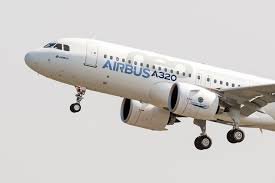
The aerospace world is reeling after Airbus issued a massive recall affecting around 6,000 of its widely used A320-family aircraft. The recall follows a mid-air incident in which a commercial A320 jet suddenly dropped altitude due to a suspected software malfunction — prompting urgent software updates worldwide and grounding many planes until solutions are implemented.
What triggered the recall
On October 30, a flight operated by JetBlue Airways — Flight 1230, en route from Cancún to Newark — experienced an unexpected “pitch-down,” causing a sharp drop in altitude while cruising at high-altitude flight level. The crew managed a safe diversion and emergency landing in Tampa, Florida, but not before at least 15 passengers sustained injuries, some serious enough to require hospitalisation.
Following investigation, Airbus and aviation regulators concluded that intense solar radiation may have corrupted critical flight-control data processed by an onboard computer — specifically the Elevator and Aileron Computer (ELAC). The corrupted data apparently interfered with commands that control the aircraft’s pitch and altitude, compromising its stability mid-flight.
Scale of the problem: thousands of planes affected
Airbus estimates that approximately half of the global A320 fleet — roughly 6,000 aircraft — could be impacted by the same vulnerability. In response, the European Union Aviation Safety Agency (EASA) and other regulators issued an Emergency Airworthiness Directive mandating an immediate software rollback or patch before affected aircraft can resume commercial service.
For most jets, the required update is reported to take only two to three hours. However, some older aircraft may need additional hardware changes, a process likely to cause longer downtime. This has triggered widespread disruption as airlines rush to comply.
Why it matters: implications for aviation safety and trust
The A320 family pioneered “fly-by-wire” flight control — meaning pilot commands are processed electronically by components like ELAC, which then maneuver the aircraft’s elevators and ailerons. This recent glitch exposes a rare but critical vulnerability: external factors such as solar radiation can interfere with flight-control software.
In worst-case scenarios, such corruption might lead to unintended elevator movements, risking uncontrolled descent or structural stress. Experts call the flaw “very serious,” warning that without prompt correction, the consequences could be catastrophic.
Still, officials emphasise that such events remain extremely rare given the vast number of flights and aircraft hours logged by A320 jets worldwide. Built-in redundancy, multiple backup systems and pilot override capabilities mean that the immediate risk is contained — but the recurrence potential demands swift, global fixes.
How airlines and regulators are responding
Airlines including American Airlines, Avianca, easyJet and others have grounded or temporarily taken many A320 jets out of service to install the updated and patched software. Operators say they are prioritising safety while minimising passenger disruption during the global holiday travel period.
Airbus has committed to working closely with airlines and regulatory authorities to deploy the fix swiftly. For most aircraft, downtime will be minimal as the software rollback is relatively quick — though maintenance centres are buckling under pressure given the scale of affected jets.
What happens next
In the immediate term, airlines and regulators will track all updated aircraft for anomalies and monitor solar activity warnings more strictly. Longer-term, the incident is likely to push greater emphasis on radiation-hardened avionics or error-resilient software architectures, especially as space-weather events grow more frequent in this solar cycle.
For passengers, the message is mixed: while the risk appears low, the disruption from grounded jets may ripple across global schedules, especially during peak travel seasons. Travellers are advised to stay updated with their airlines and verify flight statuses closely.